Posted by the Nationwide Pools LLC Team | October 17, 2025
Hey there, pool owners! If you’ve got a saltwater swimming pool—or you’re thinking about making the switch—you’re already ahead of the game. No more lugging heavy buckets of chlorine, dealing with that harsh chemical smell, or worrying about red eyes and dry skin after a dip. Saltwater pools feel like a luxurious ocean swim right in your backyard, all thanks to one clever piece of equipment: the salt cell generator (also known as a salt chlorine generator or electrolytic cell).
At Nationwide Pools, we’re here to break it down for you. In this post, we’ll explain exactly what a salt cell generator is, how it works its magic, and—most importantly—why giving it a little TLC through regular cleaning is non-negotiable for keeping your pool sparkling and your wallet happy. Plus, we’ll share some visual examples to spot the difference between a healthy cell and one that’s overdue for attention.
Ready to dive in? Let’s get salty!
Picture this: Your pool water is already brimming with a mild dose of salt (about 3,000–4,000 ppm—way less than the ocean’s 35,000 ppm, so no salty taste or sting). Instead of adding chlorine chemicals manually, a salt cell generator steps in to create chlorine on demand through a natural process called electrolysis.
Here’s the simple breakdown:
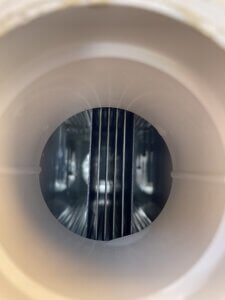
Above: A pristine, clean salt cell in action. Notice the shiny titanium plates with no obstructions—perfect for efficient electrolysis.
Salt cell generators from brands like Hayward, Pentair, and CircuPool are game-changers, but like any hardworking pool component, they need maintenance to stay efficient. Enter: cleaning.
Your salt cell is exposed to everything your pool throws at it—minerals, calcium, oils from swimmers, and even tiny debris. Over time, these build up as scale (mostly calcium carbonate) on the plates, acting like crud in a coffee maker: it clogs things up and slows everything down.
In hard-water areas (high calcium >400 ppm) or with imbalanced pH (above 7.8), buildup happens faster. Neglect it, and you risk:
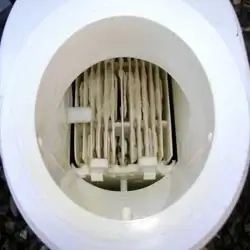
Above: Yikes! A salt cell choked with heavy calcium scale—those white, flaky deposits block the plates and kill efficiency. Regular cleaning prevents this nightmare.
A salt cell generator isn’t just equipment—it’s the secret to silky, worry-free pool water that your family will love year after year. But like brushing your teeth, skipping the clean-up leads to bigger (and pricier) issues down the line.
Got questions about upgrading to saltwater, troubleshooting your cell, or scheduling a service? Swing by www.nationwidepools.us or give our experts a ring. Schedule a Salt Cell Clean or Inspection now. We’re here for a reason—because every pool deserves to shine!
What’s your salt cell story? Clean as a whistle or overdue for a spa day?
Sources: Insights drawn from industry leaders like Pentair, Hayward, and CircuPool, plus real-world tips from pool pros like us. Stay salty, friends!
Company Phone: (424) 241-3636